 English
 كوردى
 عربي

From Strategy to Implementation: Green and Digital Institutional Transformation – Lessons for Higher Technical Education in Iraq
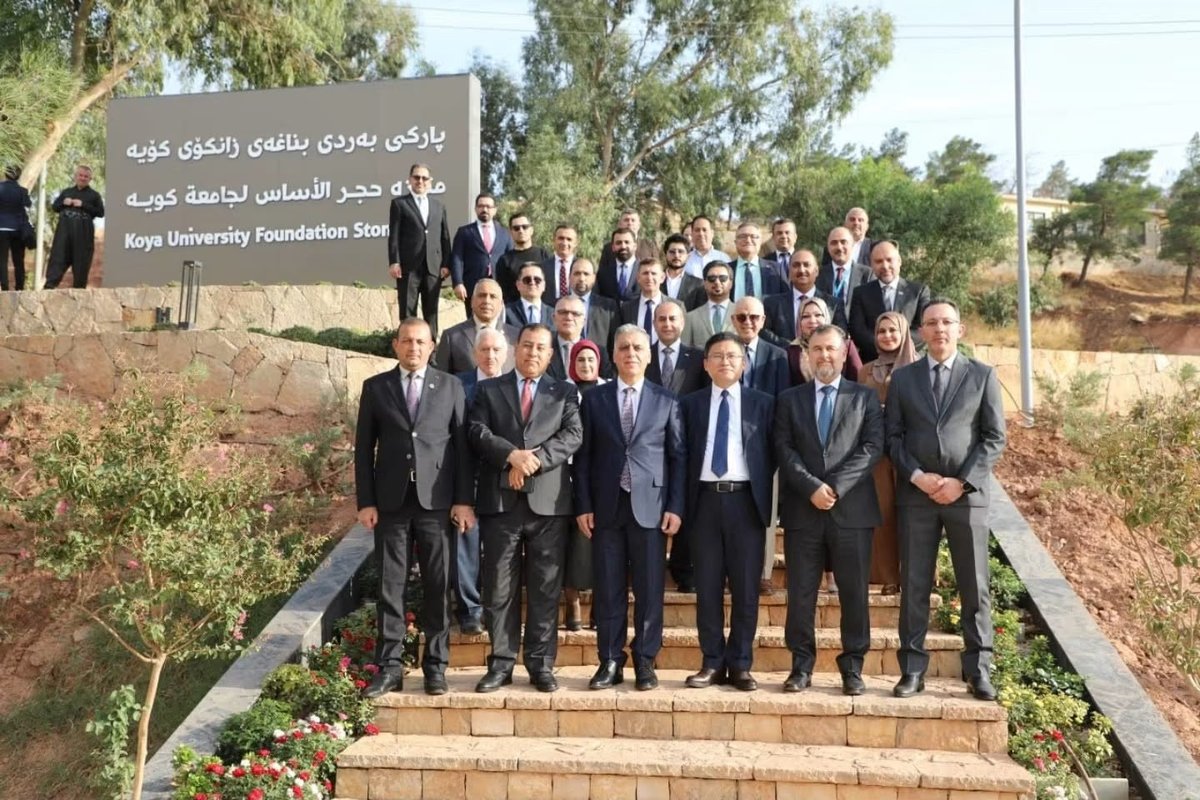
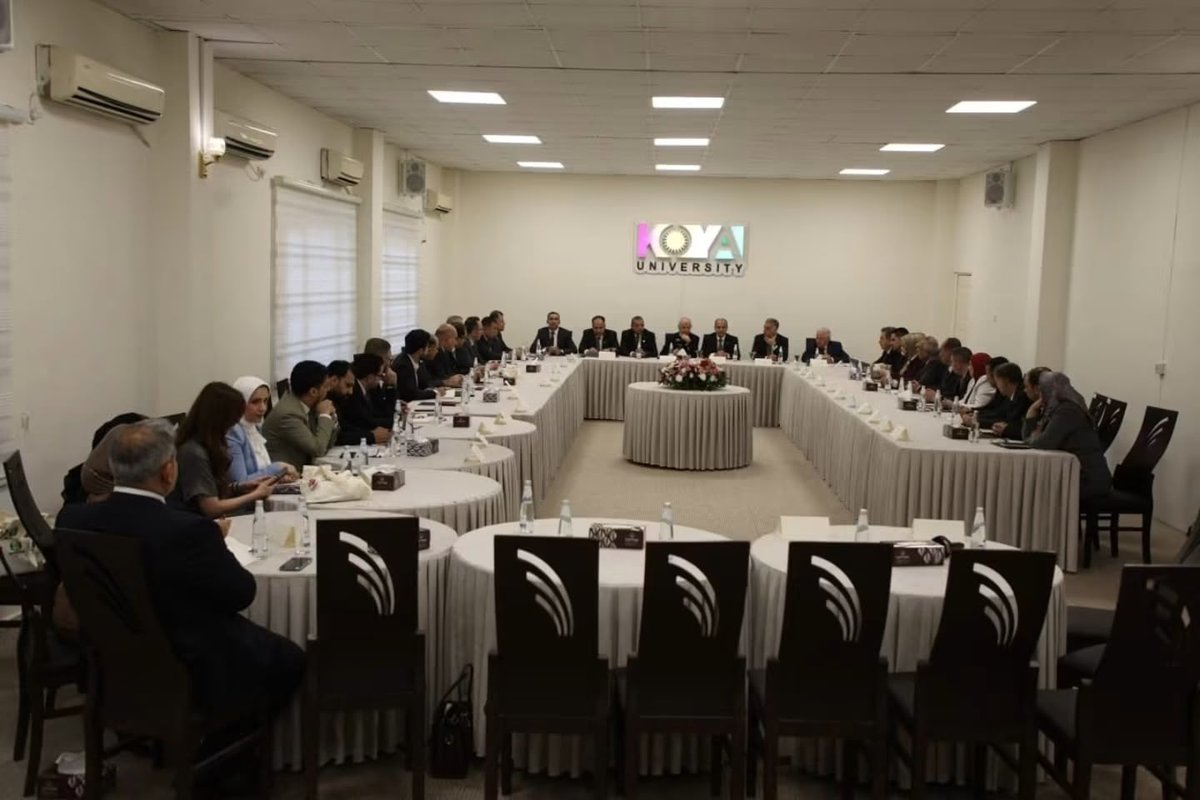
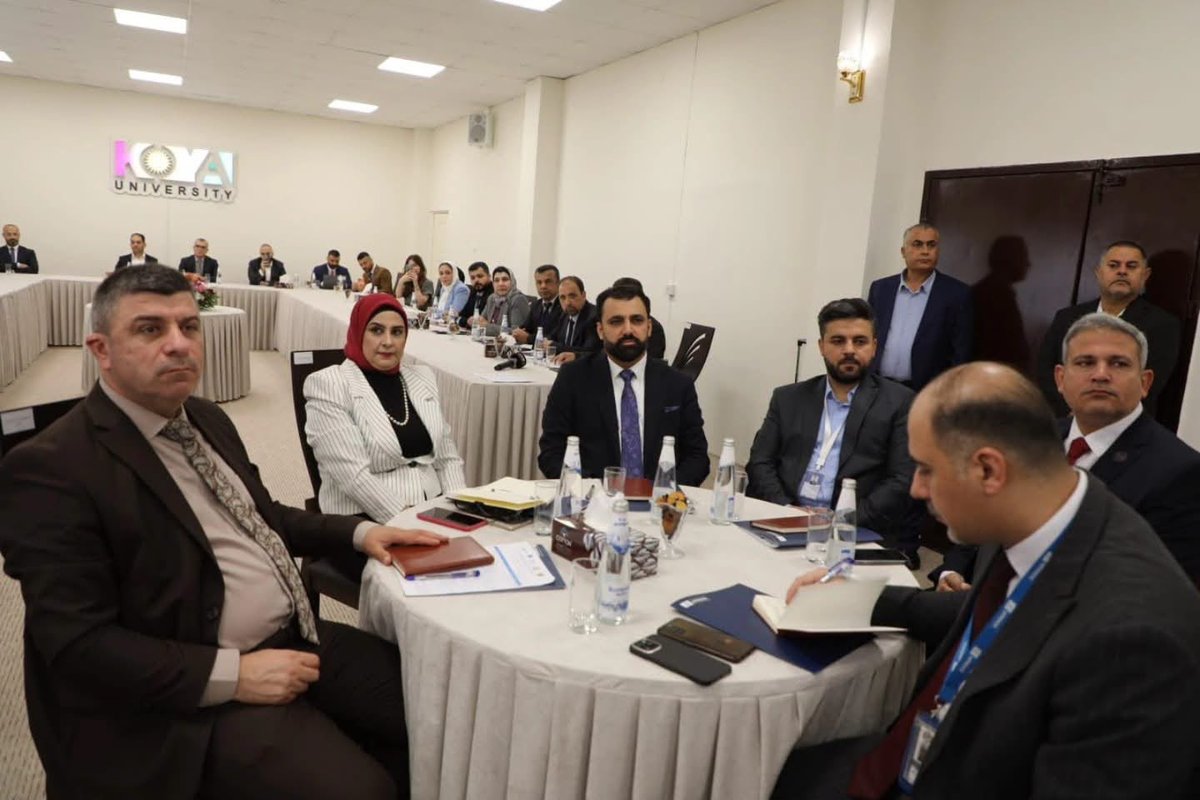
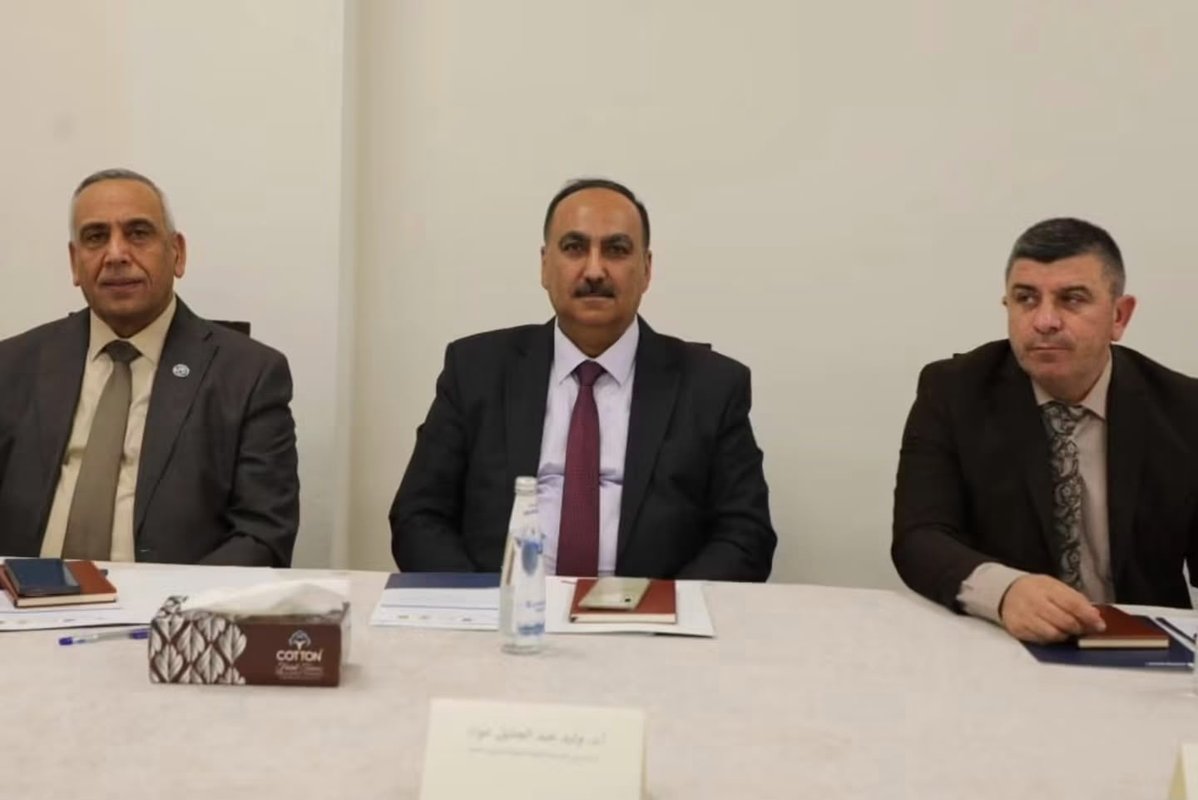
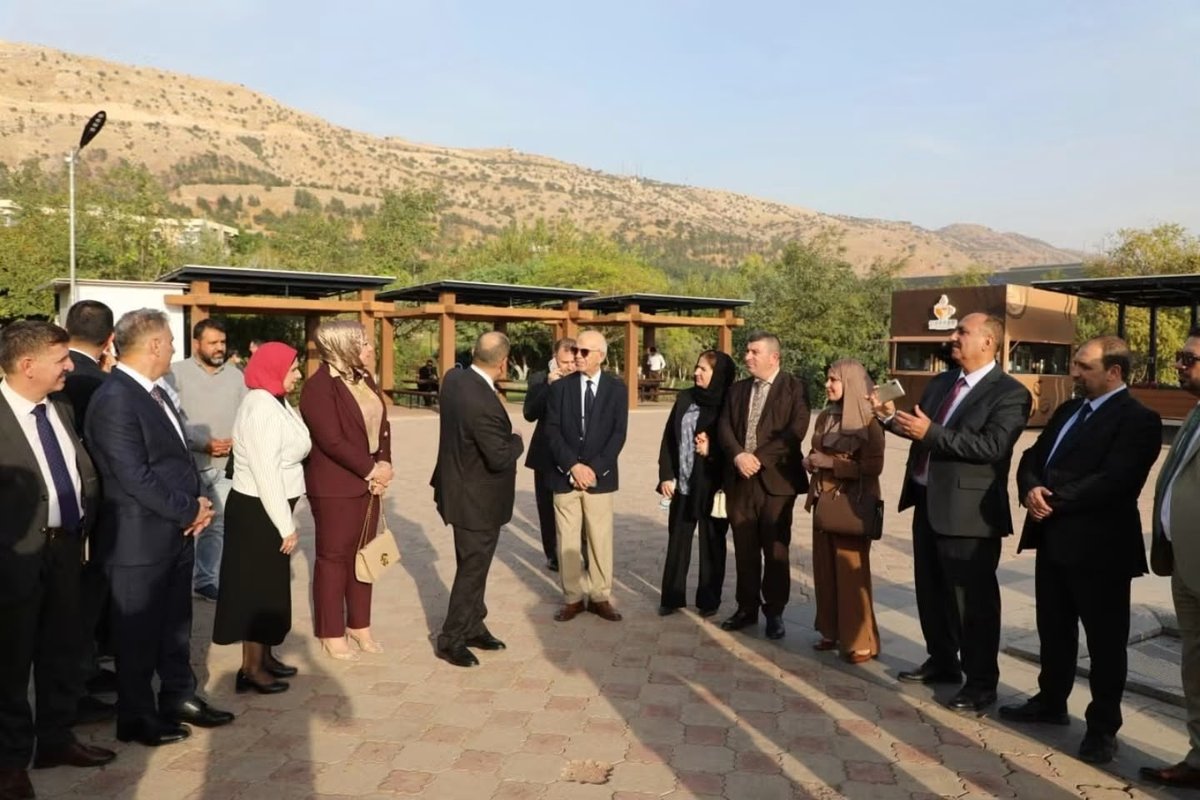
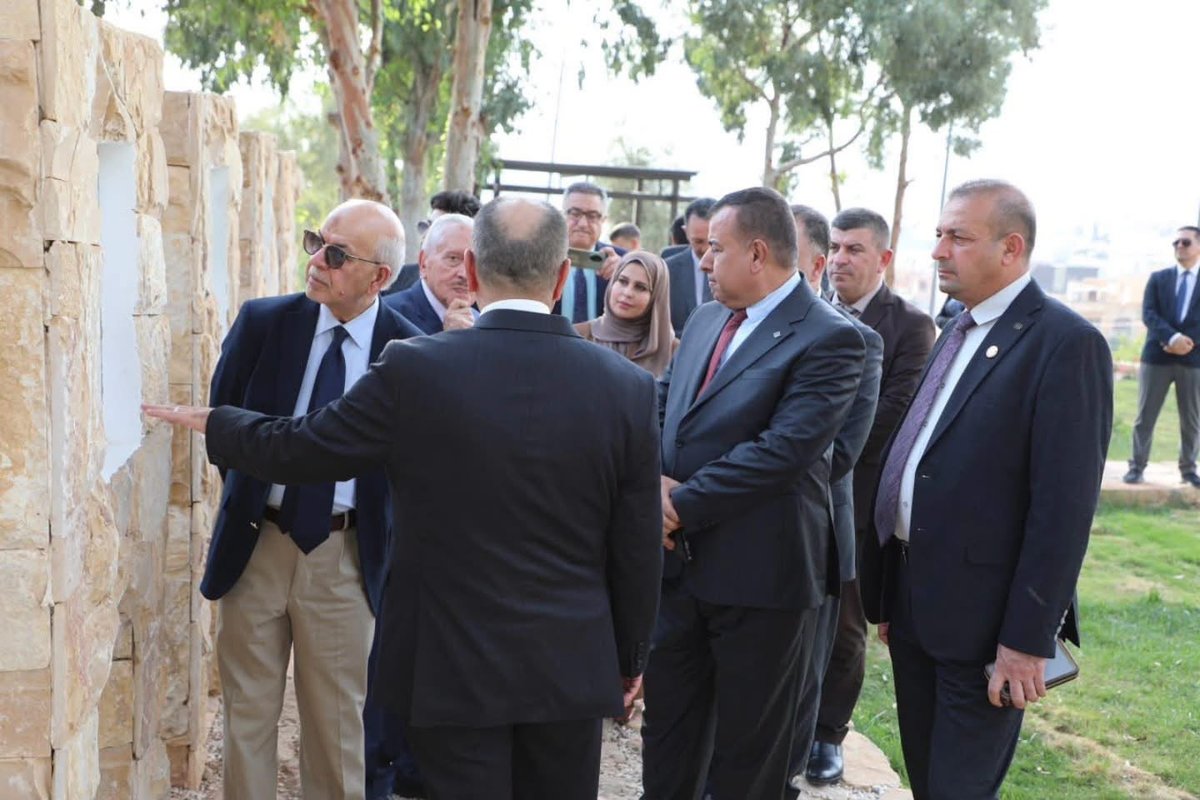
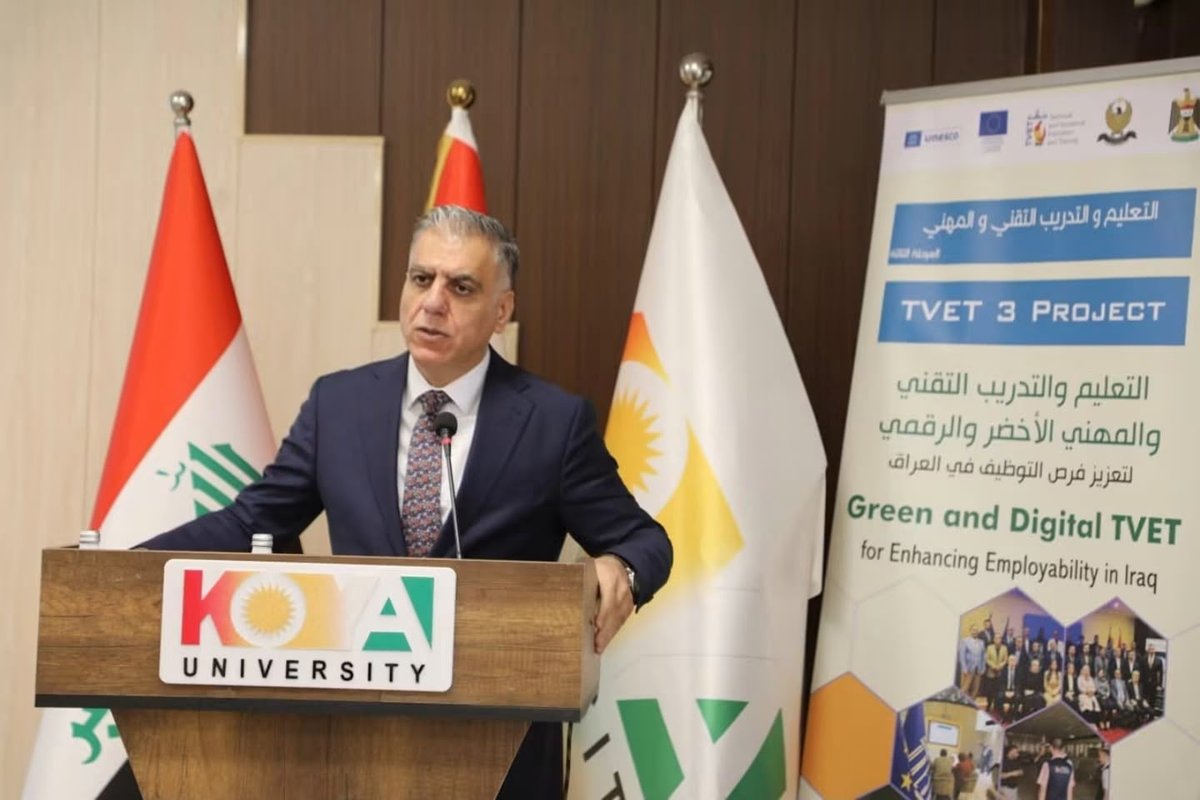
Within the framework of the Green and Digital Technical and Vocational Education and Training project to increase employment opportunities in Iraq (TVET III), and with the participation of the representative of the President of Duhok Polytechnic University, Prof. Dr. Yaman Sami Sharif, Vice president of Scientific Affairs and Postgraduate Studies, and in the presence of representatives of the Higher Committee for the Development of Education and Learning at the General Secretariat of the Council of Ministers, representatives of the Ministries of Higher Education and Scientific Research in both the Federal Government and the Kurdistan Region Government, as well as university presidents and representatives of participating institutions, a scientific visit to Koya University was organized in cooperation with the United Nations Educational, Scientific and Cultural Organization (UNESCO).
The visit aimed to exchange expertise and raise awareness of Koya University’s experience in digital transformation and environmental sustainability (green transformation). It also sought to explore and identify practices and experiences that could be beneficial and implemented within Iraq’s technical universities. To ensure the success of this visit and the achievement of its scientific objectives, the organizing teams and UNESCO shared all logistical arrangements, the work programme, and conceptual notes with the participants in both Arabic and English. At the same time, dedicated communication channels were established to facilitate coordination, answer questions, and foster constructive discussions between academics and the organizing teams.
This step is considered part of ongoing efforts to develop and modernize higher technical education throughout Iraq. It is supported by the European Union and implemented in coordination with national partners by UNESCO, with the hope that academic participation and dialogue will serve as a catalyst for implementing fundamental environmental and technological transformations within educational institutions.